Compare Local Contractors for Residential Landscape Drainage Solutions
Compare local contractors for residential landscape drainage to define project scope, verify experience, and set clear expectations for a successful outcome.
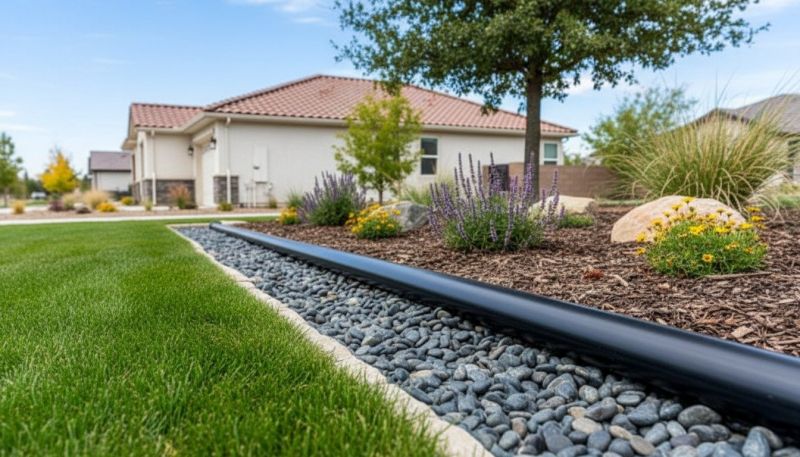
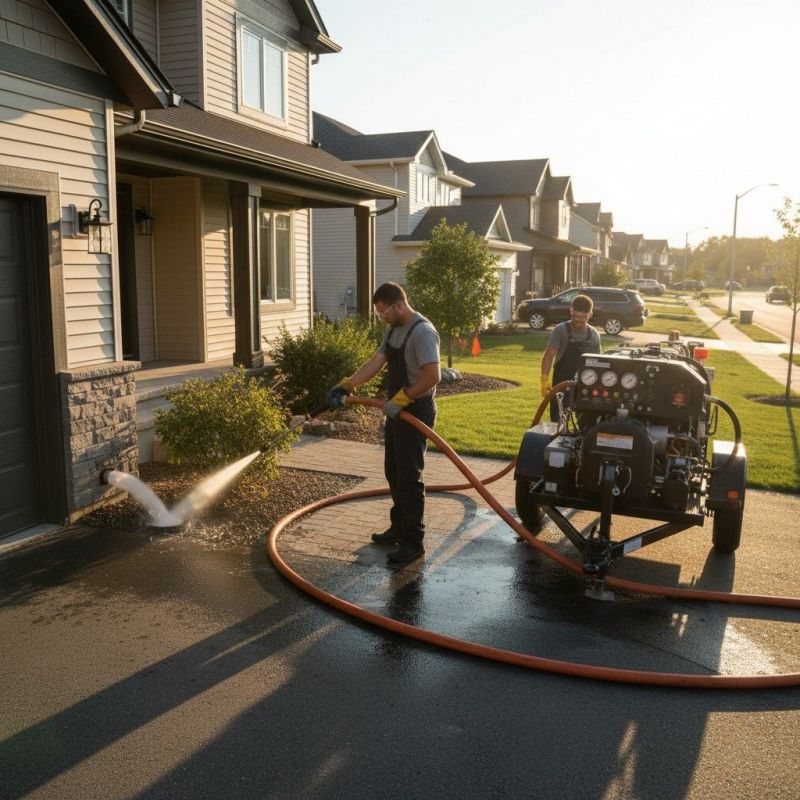
Residential landscape drainage projects typically involve assessing and improving how water flows across a property to prevent pooling, erosion, and water damage. These services can include installing or upgrading drainage systems such as French drains, surface grading, sump pumps, and drain tiles. The goal is to create a landscape that effectively directs excess water away from foundations, walkways, and garden areas, ensuring the property remains functional and aesthetically pleasing even during heavy rainfalls. When planning this type of work, property owners should consider the specific drainage issues they face and communicate these needs clearly to potential contractors to ensure the scope of work aligns with the property's requirements.
Defining the scope of a drainage project is crucial because it helps establish clear expectations and ensures that both property owners and service providers are on the same page. A well-defined scope includes details such as the areas to be drained, the types of systems to be installed, and any existing landscape features that need to be preserved or modified. Having this information in writing can prevent misunderstandings and scope creep, which might otherwise lead to additional work or unmet expectations. It also allows property owners to compare proposals more effectively, focusing on the quality of services and solutions offered rather than just price.
When evaluating local contractors for residential landscape drainage, property owners should consider their experience with similar projects and their understanding of local soil and weather conditions. Comparing multiple service providers involves reviewing their credentials, asking for references or examples of past work, and ensuring they can provide a detailed description of their proposed scope of work. It’s beneficial to verify that contractors are transparent about their process and are willing to put the project details in writing. This approach helps property owners make informed decisions, select experienced service providers, and establish a clear, shared understanding of the project’s expectations before work begins.
Compare local contractors by outlining project priorities, verifying experience, and establishing clear scope and expectations in writing.
- Compare Contractor Experience - Review the background and expertise of local contractors to ensure they can handle residential drainage projects effectively.
- Define Project Scope Clearly - Establish detailed work descriptions to set accurate expectations and prevent misunderstandings.
- Verify References and Past Work - Check previous projects and client feedback to assess the quality and reliability of service providers.
- Document Agreements in Writing - Ensure all project details, responsibilities, and expectations are confirmed through written agreements.
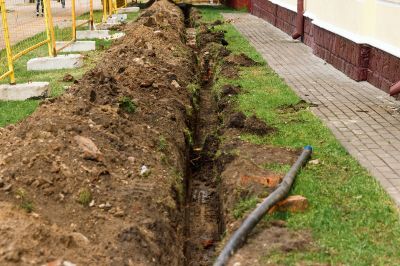
Before comparing contractors, clearly describe your drainage project to ensure accurate scope, experience verification, and written expectations.
- Evaluate experience in residential landscape drainage projects to ensure familiarity with local soil and climate conditions. - Verify that service providers clearly define the scope of work and the methods they will use to address drainage issues.
- Compare multiple local contractors to assess their approaches and ensure consistency in proposed solutions. - Confirm that contractors provide detailed written estimates outlining the work involved and materials to be used.
- Check references or reviews to gauge the reliability and quality of previous drainage projects handled by the service providers. - Ensure that all project expectations, responsibilities, and warranties are documented in writing before work begins.
- Assess the contractor’s knowledge of proper grading, drainage systems, and water diversion techniques relevant to residential properties. - Look for service providers who can explain their drainage solutions and how they will prevent future problems.
- Confirm that the contractor will perform a thorough site assessment to identify all potential drainage issues before proposing a solution. - Make sure the scope includes addressing existing problems and preventing future water-related damage.
Compare local contractors’ experience and clarify project scope to ensure clear expectations for residential landscape drainage.
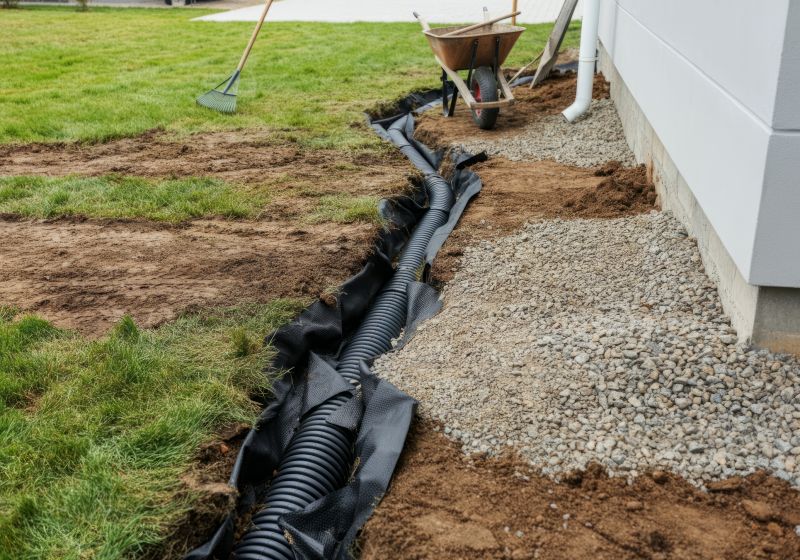
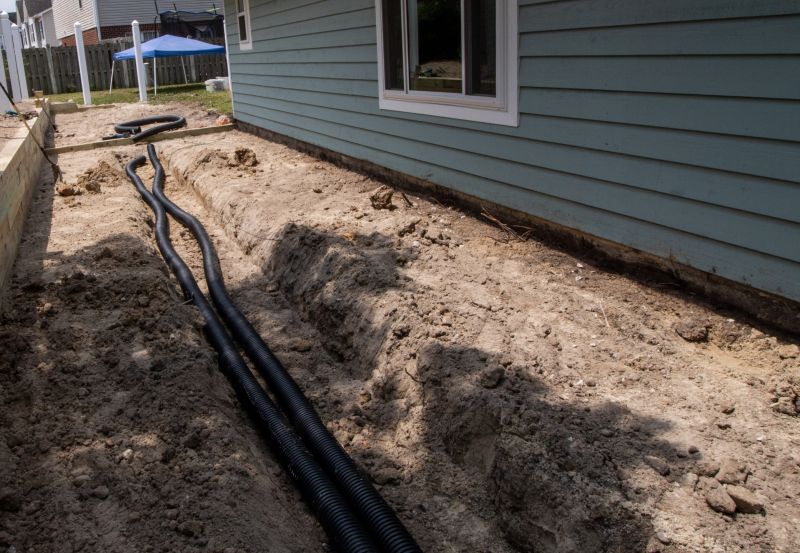
Use consistent comparison criteria across local contractors to effectively define scope, verify experience, and set clear expectations.
- Scope Definition - Clearly outline the specific drainage issues and desired outcomes for the residential landscape project.
- Experience Verification - Confirm that local contractors have relevant experience with residential drainage systems and similar projects.
- Material and Method Selection - Specify the types of drainage solutions and materials that will be used to meet project needs.
- Work Scope in Writing - Ensure all project details, responsibilities, and expectations are documented in a written agreement.
- Comparison and Qualification - Evaluate multiple service providers based on their scope, approach, and ability to meet project requirements.
When comparing contractors for residential landscape drainage, it is important to consider their experience with similar projects. Homeowners should inquire about the types of drainage solutions the contractor has installed in comparable properties, paying attention to the complexity and scope of those jobs. A contractor with a history of handling projects similar in size and design can offer insights into their familiarity with common challenges and effective strategies. This background can help ensure that the selected service provider understands the specific needs of the site and has a track record of successful completions.
Having a clear, written scope of work is essential for setting expectations and avoiding misunderstandings. Homeowners should seek detailed descriptions of the proposed drainage system, including the materials to be used, the extent of excavation, and any additional features or considerations. A comprehensive scope provides a basis for evaluating whether the contractor’s approach aligns with the homeowner’s goals and helps facilitate clear communication throughout the project. Avoiding vague or overly broad descriptions can reduce the risk of surprises and ensure that both parties share a common understanding of the work involved.
Verification of a contractor’s basic experience can be achieved through straightforward methods such as references, project portfolios, or client testimonials. Homeowners are encouraged to ask for examples of completed projects and to speak with previous clients if possible. This verification process helps gauge the contractor’s reliability and quality of work. Additionally, reviewing the contractor’s familiarity with local site conditions and drainage challenges can provide reassurance that they are well-equipped to handle the specific requirements of the property.
When evaluating options among different service providers, it is helpful to compare their proposed approaches and the scope of work, rather than focusing solely on cost. Homeowners should consider how each contractor plans to address drainage issues, the materials they intend to use, and the level of detail in their proposals. Asking clarifying questions about the methods and techniques can reveal the contractor’s understanding of effective drainage solutions. By focusing on the scope, experience, and approach, homeowners can make informed decisions that align with their property’s needs and ensure a successful outcome.
Ask contractors to provide written scope details to ensure clear understanding and consistent expectations throughout the project.
- Experience with Drainage Systems - What specific residential drainage solutions have local contractors successfully installed in similar properties?
- Scope of Work - How do local service providers define and outline the scope of drainage improvements to ensure all needs are addressed?
- Comparison of Services - What are the key differences in the drainage services offered by various local contractors?
- Materials and Methods - How do local pros specify the types of drainage materials and techniques they plan to use?
- Project Expectations - How do local contractors document and communicate the expected outcomes and responsibilities in writing?
What should I consider when choosing a contractor for residential landscape drainage? It’s important to compare local service providers based on their experience, reputation, and the scope of services they offer. Ensuring clear communication about project expectations is also key.
How can I verify a contractor’s experience with landscape drainage projects? You can review their previous work, ask for references, and check if they have specific experience with similar drainage solutions in residential settings.
Why is it important to define the scope of work in writing? Having a detailed written scope helps set clear expectations, prevents misunderstandings, and provides a reference for the project's agreed-upon tasks and responsibilities.
What questions should I ask when comparing local contractors? Ask about their experience with drainage systems, the types of solutions they recommend, and how they approach project planning and communication.
How can I ensure a contractor has the right expertise for my drainage project? Look for contractors with a proven track record in residential drainage work, and consider reviewing their previous projects or seeking recommendations from other homeowners.
What is the best way to set expectations with a contractor before work begins? Clearly outline your project goals, ask for a detailed scope of work, and confirm that all details are documented in writing to avoid future misunderstandings.
Understanding the essentials of residential landscape drainage projects can help in making informed decisions when selecting a service provider. Visitors have learned the importance of clearly defining the scope of work, verifying the experience of local contractors, and setting expectations in writing to ensure a smooth process. Comparing options through a straightforward quote form allows for evaluating different service providers and finding the right fit for specific needs.
Utilizing the quote form to compare local contractors provides an efficient way to explore available options without commitments. By gathering information from multiple service providers, homeowners can make well-informed choices based on their project requirements. Engaging with local professionals through this process helps identify experienced contractors capable of handling residential landscape drainage with clarity and confidence.